Home Concrete Driveways, Planned the Right Way
Request your estimate today
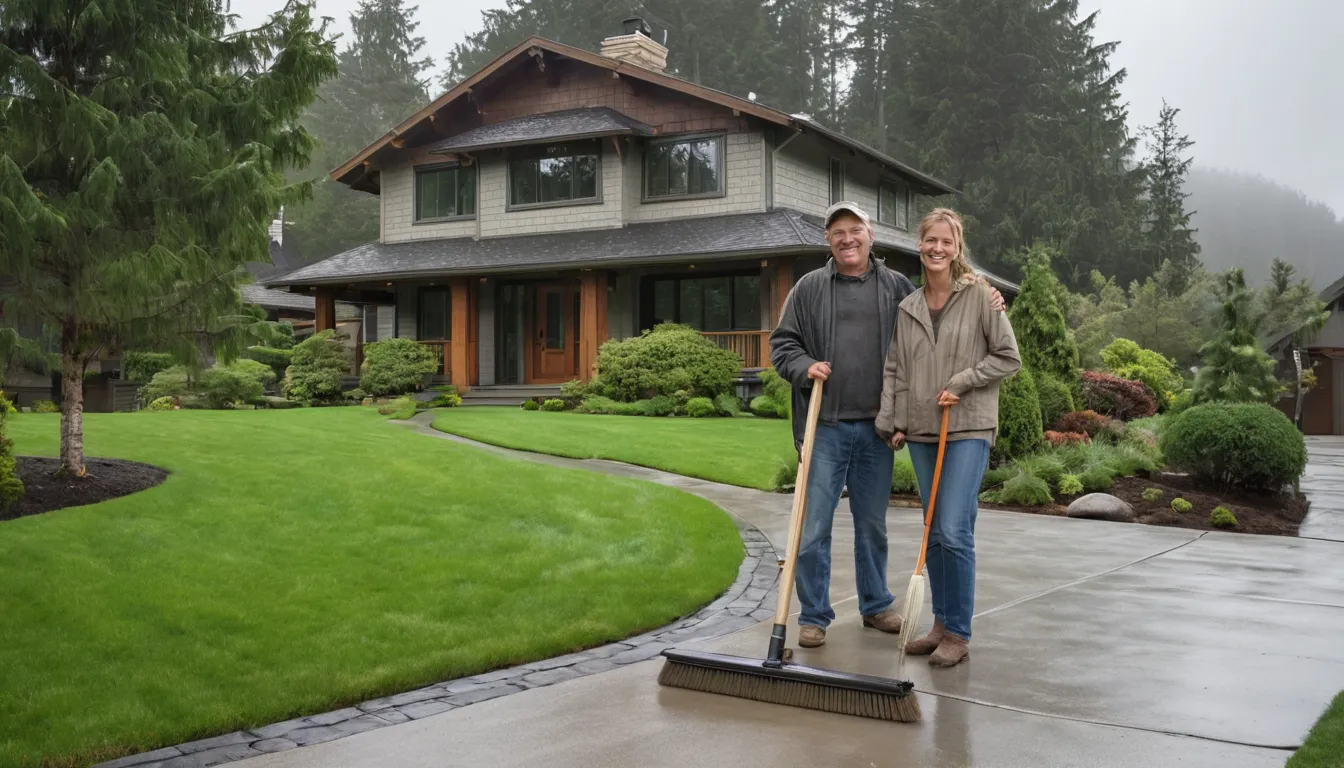
Your driveway is the first thing people see and the thing you cross every single day. When it cracks, sinks or floods, it is natural to worry. Take a breath. This is a solvable job, and you have time to plan it well.
Conversationswondering Concrete is a referral service. We do not pour concrete. We connect you with independent local providers in our network who handle new driveways in the Sultan area. You request an estimate, compare quotes at your own pace, and choose the provider who fits your home. The goal is simple: do it right the first time, so your property stays sound, dry and attractive.
Start here: one step first
You looked at your driveway and something felt wrong. That is okay. A driveway problem is rarely an emergency, and you have time to handle it well.
Start with photos. Take wide shots of the whole surface, then close-ups of cracks, sunken spots and places where water collects. Good pictures help every provider give you a clearer quote.
Signs your driveway needs replacing
Some wear is normal. Some wear is a message. Watch for these:
- Cracks wide enough to slip a coin into
- Slabs that have sunk, tilted or lifted at the edges
- A surface that flakes, crumbles or looks pitted
- Moss and dark stains that return after every cleaning
- Water that runs toward the house instead of away
One of these may be fixable. Several together usually mean the base underneath has given up.
When repair is enough
Concrete driveway repair can be the right call when damage is small and the ground below is sound. A few hairline cracks or one chipped corner often do not need a full pour. A provider can look at the slab and tell you which path fits.
If most of the surface has failed, patching again and again adds up. A new driveway often makes more sense over the years.
Wet weather, damp and your foundation
A long rainy season is hard on concrete. Steady moisture and moss work into small cracks, then widen them. Soft soil can shift under a slab that was poured on a thin base.
If water pools near your foundation or crawl space vents, say so when you ask for quotes. Some homeowners bring in foundation repair experts to look at drainage before the new slab goes down. Fixing the slope first protects the house.
What a new driveway project includes
Most projects follow the same path. The old concrete is broken up and hauled away. The ground is graded and packed firm. A gravel base goes in, then forms, reinforcement and planned joints. Only then is the concrete poured, finished and left to cure.
Ask each provider to list these steps in the quote. Missing steps are worth a question.
Choosing size, thickness and finish
Measure how many cars you park, and where guests stop. A little extra width is easy to add now and hard to add later.
For everyday cars, a thickness around four inches is common. Heavier trucks, trailers or RVs often call for five or six. A broom finish adds grip, which matters on wet mornings. Color, exposed stone and other looks are options if you want them.
Slope and drainage
A good driveway tilts gently away from the house. It should not send rain toward your garage door or crawl space. Ask each provider how they plan to move water, and where it will end up.
Permits and the street apron
The apron is the short section where your driveway meets the street or sidewalk. Cities often have their own rules for it, including width, thickness and who may work there.
Some projects need a permit. Ask each provider if they pull permits or if you must. Your city office can confirm the local rules.
Choosing a concrete contractor
The providers in our network are independent businesses. Take a little time to check them yourself. Ask for:
- A written quote with the full scope
- Proof of any license or insurance your area requires
- Photos of similar finished driveways
- Any warranty, put in writing
- A clear plan for curing and cleanup
Comparing quotes calmly
Get two or three quotes for the same job. Then compare them line by line: thickness, base depth, reinforcement, joint spacing and haul-away. A quote that looks cheaper may simply leave something out.
Have a question about your own project? Request a callback to check provider availability and talk it through.
Timing the pour around the weather
Fresh concrete needs a mild, dry stretch. Rain on a new surface can leave it rough or weak. Providers watch the forecast, so a flexible schedule helps. Do not rush a provider into pouring in a storm.
After the pour
Keep feet off the concrete for a day or two, and keep vehicles off for about a week, or as your provider advises. Concrete keeps getting stronger for weeks.
Ask when to apply a sealer, which helps with moisture and moss. Wash gently and avoid harsh chemicals. If you plan matching concrete flatwork, such as stamped concrete patios, mention it early. Related work can sometimes be planned together.
Protecting your home's value
A driveway shapes the first impression of your house. A sound, well-drained one also protects your foundation and keeps your property looking cared for when you sell. Do it right once, and you will not think about it again for years.
Your next small step
You do not need every answer today. Send in your photos and details, and compare what comes back.
What's Included
Old driveway removal
Broken concrete is taken out and hauled away, so the new slab starts on clean ground.
Grading and base
The soil is leveled and packed, then topped with gravel for steady support.
Forms and reinforcement
Edges are shaped, and steel or fiber is added to help control cracking.
Pour, finish and cure
Concrete is poured, smoothed, textured and protected while it hardens.
Typical costs for a new driveway
Prices vary a lot by size, soil, finish and local rules. These are typical U.S. ranges, so please get a written quote for your own job.
| Item | Typical range | Notes |
|---|---|---|
| Plain concrete driveway, new pour | $6 – $12 per sq ft | Basic broom finish on a prepared base |
| Removing the old driveway | $2 – $6 per sq ft | Depends on thickness and haul-away |
| Grading and gravel base | $1 – $3 per sq ft | Deeper base for soft or wet soil |
| Rebar or mesh reinforcement | $0.50 – $1.50 per sq ft | Helps control cracking |
| Decorative finish or color | $3 – $10 per sq ft extra | Stain, exposed stone or stamping |
| Permit and apron work | $100 – $2,000 | Varies by city and project scope |
How It Works
Take photos
Photograph the whole driveway, then close-ups of cracks, sunken areas and standing water.
Request your estimate
Share your photos and goals through the form, and a local provider will reach out.
Compare written quotes
Look at thickness, base, drainage and cleanup, not just the final price.
Choose and schedule
Pick the provider you trust, then plan the pour around a dry stretch.
Why Call Conversationswondering Concrete
Calm, simple process
You send your details once and compare quotes at your own pace, without pressure.
Local providers
Independent providers in our network know the area's rain, soil and local permit habits.
Clear honesty
We are a referral service. We do not pour concrete, and providers do the work.
Home-first thinking
Doing the job right protects your home, its value and your future resale.
Other Services
Need home concrete driveways in Sultan?
Tell us a little about your driveway or patio. Request an estimate and a local provider in our network can reach out when it suits you.
No obligationHome Concrete Driveways FAQ
How long does a concrete driveway last?
A well-built concrete driveway often lasts 25 to 30 years or more. Soil, drainage, thickness, and wet weather all matter. A solid gravel base and proper sealing help it last longer.
Can I just patch my cracked driveway instead of replacing it?
Sometimes. Small cracks and chipped edges can often be patched if the base is sound. Sunken slabs or widespread damage usually point to replacement. A provider can look at it and explain your options.
How long before I can drive on a new concrete driveway?
Many providers ask you to keep cars off for about a week, and feet off for a day or two. Concrete keeps hardening for weeks, so follow the guidance your provider gives you.
Request a callback
Tell us a little about your driveway or patio. Request an estimate and a local provider in our network can reach out when it suits you.
No obligation