Concrete Patios Help for Your Home
Request an estimate, no obligation
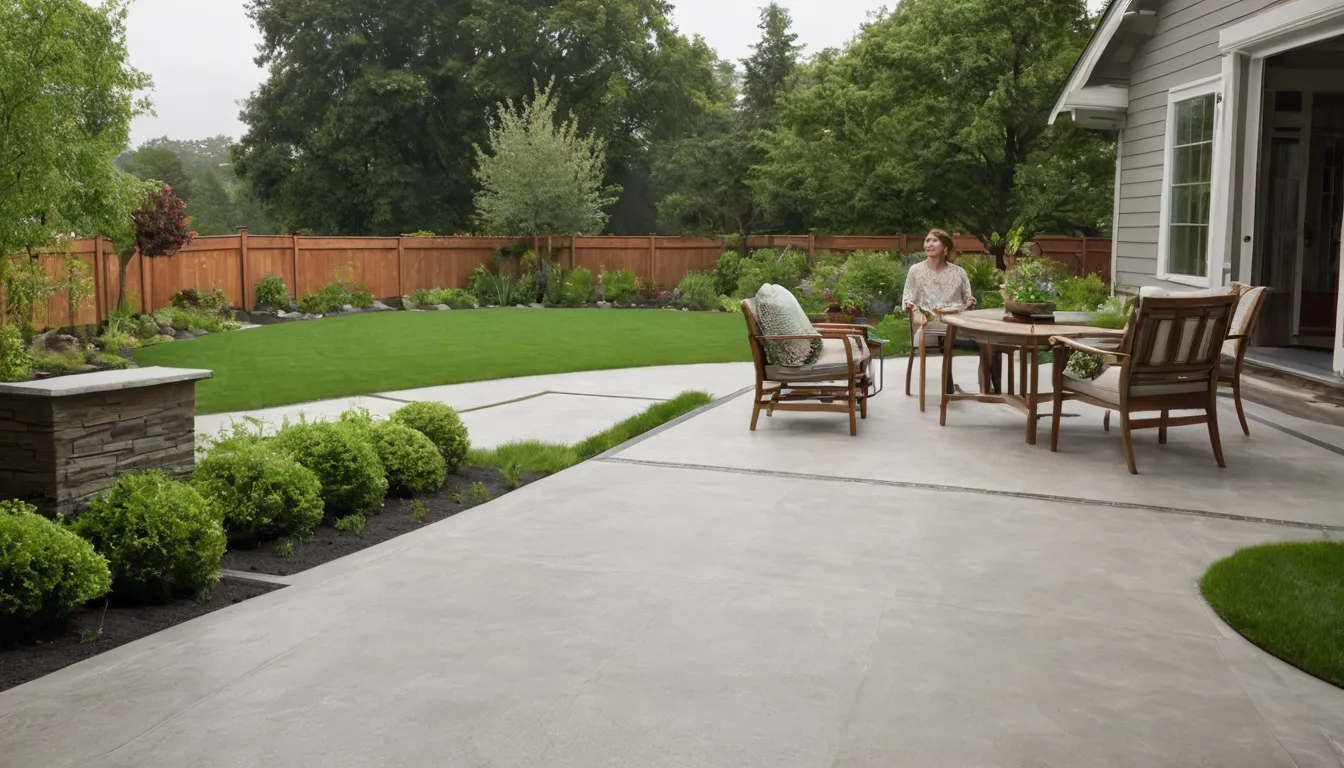
Planning a new concrete patio can feel bigger than it is. You have questions about size, finish, drainage and price. That is normal. Most homeowners start in the same place you are right now.
Conversationswondering Concrete is a referral service. It does not pour concrete. It connects you with independent local providers in our network who handle patio work in the Sultan area. You share a few details and photos, then compare quotes at your own pace. The aim is a patio done right the first time, so it drains well, looks good and protects your home for years.
Start Here: One Step First
Planning a new patio can feel like a lot. Take a breath. You do not need every answer today. Start with photos of the spot you have in mind, taken from a few angles. Then request an estimate and let local providers handle the measuring.
What This Page Covers
This page is about brand-new concrete patios. If you are looking for concrete driveway repair or a fix for an old cracked slab, that is a different kind of job. Here the focus stays on fresh patios and the choices that come with them.
Check the Weather Window First
Concrete cures well in mild, steady conditions. In a long wet season, providers often watch the forecast closely. A rainy week can push a pour back. That is normal and no cause for worry. Ask each provider how they protect fresh concrete from rain and how they handle a reschedule.
Look at How Water Moves in Your Yard
Walk outside after a good rain. Where does water pool? Where does it run? Notice low spots, downspouts and damp patches near the house. A patio that holds water grows moss and turns slick. Snap photos of what you see. Providers use them to plan the slope.
Drainage and Your Foundation
A patio should slope gently away from the house. Your provider will set the exact pitch, and a small slope is common. This matters most with wood-frame homes and crawl spaces. Water that drifts toward the wall can cause trouble underneath.
If you already see damp walls, sticking doors or sinking soil, ask foundation repair experts to look first. New concrete should not go down beside a problem that is still growing.
Check for Buried Lines and Permits
Pipes, wires and irrigation lines may run under your chosen spot. Providers usually know what to ask before they dig. Some areas also require a permit for larger patios or limit how much of a lot can be covered. A local provider can tell you what applies to you.
What a New Patio Project Includes
Most jobs follow a similar path. Your quote should mention each part.
- Layout and measuring
- Clearing sod or old material and grading the ground
- A compacted gravel base and wooden forms
- Rebar or wire mesh for strength
- Pouring, leveling and finishing the concrete
- Curing, sealing and cleanup
Why Homeowners Choose Concrete
Concrete is sturdy and takes almost any shape. It suits older craftsman houses and newer townhomes alike. When it is sealed, it handles damp weather well. A patio also adds real living space, and future buyers tend to notice that.
Sizing Your Patio
Think about how you will use it. A small table needs far less room than a grill, a dining set and a few chairs. Lay garden hoses or chalk on the ground to see the shape. Leave space to walk around furniture. Many people size up a little, because adding later leaves a visible seam.
Finish Options
The surface changes how your patio looks and feels underfoot. Rain makes this choice more important than it seems.
Broom Finish
A light brushed texture gives good grip when wet. It is simple, plain and a smart pick for shaded, damp yards.
Stamped Concrete Patios
Stamped concrete patios use patterns that echo stone, brick or wood, often with added color. Ask to see real samples. Ask how the surface will keep its grip in rain. Sealing is part of the plan, not an extra.
Some homeowners also like colored concrete or exposed aggregate, which shows small stones in the surface. Each has its own look and upkeep.
Thickness, Base and Heavy Loads
Concrete flatwork for a patio is often poured about four inches thick over a packed base. Hot tubs, outdoor kitchens and fire features need more planning. Tell providers about them early. Control joints guide where cracks form, so any that appear stay neat. Hairline cracks can still happen, so ask what to expect.
Choosing a Concrete Provider
Gather two or three written quotes. Ask about base depth, thickness, reinforcement, finish, sealing, cleanup and timeline. Ask each provider about local licensing and insurance rules too. Providers in our network are independent, so each sets their own terms.
Request a callback to check provider availability, or use the request form when you are ready.
Reading Your Quotes Calmly
Put the quotes side by side and compare the same items. A price far below the others may leave out base work or sealing. Ask questions about anything unclear. A good provider is happy to explain.
Caring for Your New Patio
Keep off the concrete for as long as your provider advises. Heavy items wait longer. After that, sweep leaves, rinse off moss with a gentle cleaner and reseal when the provider suggests. Go easy on harsh de-icing products, which can wear the surface.
Protecting Your Home's Value
A patio that drains well and holds up looks good for years. A patio with pooled water and wide cracks is what buyers notice instead. Do it right now, and you protect the house as well as the yard.
Your Next Small Step
You do not need to decide everything today. Share a few photos and the size you have in mind. Then compare what local providers say, at your own pace.
What's Included
Layout and Prep
Providers measure the space, clear the ground and grade it so water moves away from your house.
Base and Reinforcement
A packed gravel base and steel reinforcement help the slab stay level and strong over time.
Pour and Finish
Concrete is poured, leveled and given the texture or pattern you picked, such as broom or stamped.
Curing and Sealing
The slab cures with care, then gets sealed to resist moss, stains and damp.
Typical Concrete Patio Costs in the U.S.
Prices vary by size, site, finish and local rates. These are broad U.S. ranges, not quotes. Ask each provider for a written estimate that lists every part of the job.
| Item | Typical range | Notes |
|---|---|---|
| Plain broom-finish slab | $6 – $12 per sq ft | Common starting point for simple shapes |
| Stamped or colored concrete | $12 – $22 per sq ft | Pattern and color raise the price |
| Site prep and grading | $300 – $2,000 | Sloped or soft ground costs more |
| Gravel base and forms | $1 – $3 per sq ft | Often bundled in the quote |
| Sealing | $1 – $3 per sq ft | May need redoing every few years |
| Permit or old slab removal | $150 – $1,500 | Depends on local rules and size |
How It Works
Take Photos
Snap the yard from a few angles, including low spots, downspouts and where the patio might go.
Request an Estimate
Share your size, finish ideas and photos through the simple request form.
Compare Written Quotes
Read each quote side by side and ask about base, thickness and sealing.
Choose and Schedule
Pick the provider who feels right and agree on a weather-friendly start date.
Why Call Conversationswondering Concrete
Compare Quotes Calmly
Request an estimate once, then review what providers send at your own pace.
Local Providers
Providers in our network know area soil, rain and common home styles.
Plain Guidance
Clear steps and simple questions help you feel ready before you talk to anyone.
No Pressure
You decide if and when to move forward, with no obligation to hire anyone.
Other Services
Need concrete patios help in Sultan?
Tell us a little about your driveway or patio. Request an estimate and a local provider in our network can reach out when it suits you.
No obligationConcrete Patios Help FAQ
How thick should a concrete patio be?
Many patios are poured about four inches thick over a compacted gravel base. Spots that hold heavy items like hot tubs often need more. Your provider can set the right thickness after seeing the site.
How long before I can use a new concrete patio?
Foot traffic is often fine after a few days, while furniture and heavy items wait longer. Cool, damp weather can slow curing, so follow your provider's advice for your specific job.
Do I need a permit for a new patio?
It depends on your area and the patio size. Some places require permits or limit how much of a lot can be covered. A local provider can tell you what applies, and your city office can confirm.
Request a callback
Tell us a little about your driveway or patio. Request an estimate and a local provider in our network can reach out when it suits you.
No obligation