Stamped Concrete Help for Your Home
Request an estimate, no obligation
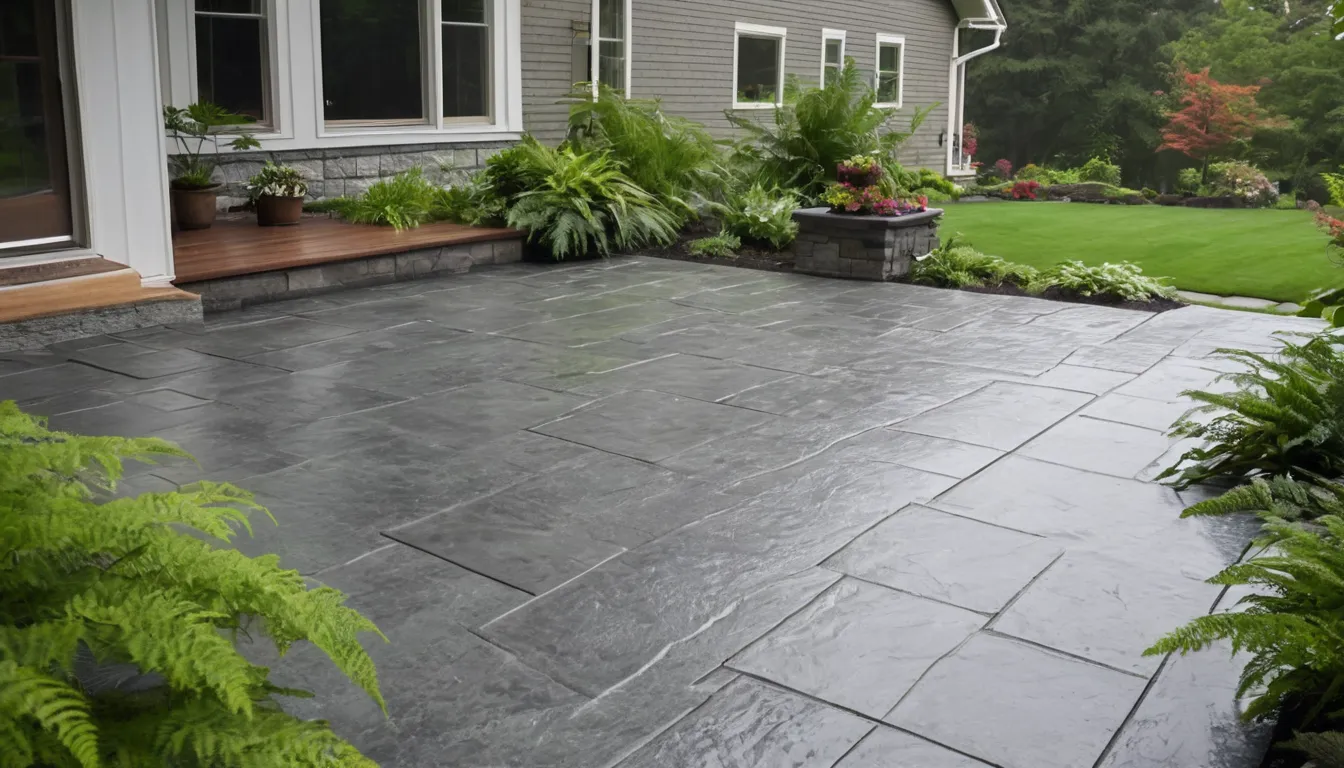
Stamped concrete is regular concrete that has been colored and pressed with patterns. It can look like stone, brick, slate or wood, yet it forms one solid slab. Many homeowners like it for patios, walkways and driveways because it looks polished and handles daily use well.
Conversationswondering Concrete is a referral service. We do not pour or stamp concrete. We connect you with independent providers in our network who do that work near Sultan. You can describe your project, request an estimate, and compare what local providers offer. Take your time. A calm start usually leads to a better result that you will enjoy for years.
Take a Breath First
Maybe a pour date is coming up. Maybe a deposit is waiting on your kitchen table. Either way, you have time to think. A stamped surface is a big choice, and it is fine to slow down.
One Step First: Start With Photos
Walk your yard and take photos. Capture the spot, the slope, the nearby walls and any soggy corners. Add a rough tape measurement. These photos help local providers give you a clearer estimate.
Ask About the Weather Window
Our region has a long wet season with steady rain. Fresh concrete does not like heavy rain. Ask each provider how they plan around the weather and what they do if a storm rolls in on pour day.
Look at the Ground Before the Pattern
A pretty surface needs a sound base. Check where water goes after a rain. If a slab will sit near your foundation, standing water matters. Cracks in a wall or a sloping floor inside may call for foundation repair experts to look first. Those are separate providers, and it is wise to sort that out before any new concrete flatwork goes in.
What If There Is Old Concrete There Now?
Sometimes an old slab is in the way. A provider may suggest concrete driveway repair if the damage is small, or removal if it is not. Stamping over a badly cracked slab can lead to cracks showing through, so ask for an honest opinion.
Thinking About Stamped Concrete?
It helps to know what you are choosing. Stamped concrete gives you the look of costly materials with the strength of a poured slab. It suits homeowners who want a custom feel without laying thousands of small pieces.
How the Pattern Gets Made
The process has a few clear stages. Knowing them makes quotes easier to read.
Base and Pour
The provider prepares the ground, adds gravel, sets forms and often adds steel mesh or rebar. Then the concrete is poured and leveled.
Color and Release
Color can be mixed into the concrete or added on top as a powder. A release agent keeps the stamps from sticking and adds subtle shading.
Stamping and Sealing
While the surface is still workable, the crew presses mats into it. Later, joints are cut and a sealer is applied. The sealer protects color and helps shed water.
Patterns and Colors Homeowners Pick
Popular choices include ashlar slate, random stone, brick herringbone and wood plank. For colors, many people like soft grays, warm tans and earthy browns. In a damp climate, these shades hide moss stains and dirt better than very light tones.
Older craftsman houses often pair well with brick or natural stone looks. Newer townhomes can suit cleaner, larger tile patterns.
Where Stamped Concrete Works Well
Patios, front walkways, pool decks, porch landings and driveways are all common. Stamped concrete patios are especially popular because they can wrap around a fire pit or outdoor table with no seams to trip on.
Think About Slip Resistance
Wet weather makes smooth sealed surfaces slick. Ask providers about a slip-resistant additive in the sealer, especially for steps and shaded areas where damp lingers.
Stamped Concrete or Pavers?
Pavers are individual pieces that can be lifted and replaced, but they can shift and grow moss in the joints. Stamped concrete is one slab with fewer joints, so there is less weeding. The tradeoff is that cracks, if they happen, are harder to hide. Ask a provider to explain both for your yard.
How Long the Job Takes
Most small patios take several days of work, plus time for curing. Larger projects take longer. Concrete needs time before heavy loads, and sealing often comes a few weeks later. Rainy stretches can add days, so ask for a realistic window, not a promise.
Keeping It Looking Good
Sweep often and rinse off moss and debris. Use mild cleaners instead of harsh chemicals. Plan to reseal every few years, as providers advise. Keep gutters and downspouts directing water away from the slab.
Choosing a Provider
Good providers are happy to answer questions. Ask to see past stamped work, how they handle joints and drainage, and what the written quote covers. Confirm what the provider says about licensing and insurance in your state, and compare at least two or three estimates.
Doing It Right Protects Your Home
Well-planned concrete flatwork helps keep water away from your house and adds curb appeal. When it is done right, it can support your home's value if you sell someday. Do it right the first time and you will thank yourself later.
What's Included
Pattern Options
Providers can discuss stone, brick, slate and wood looks that fit your home's style.
Color and Sealer Choices
Get help comparing tones, finishes and sealers that suit damp, rainy conditions.
Base and Drainage Planning
Ask how the ground will be prepared so water drains away from your house.
Written Estimates
Request quotes in writing so you can compare scope, materials and timing calmly.
Typical Stamped Concrete Costs
Prices vary a lot by size, pattern, base work and site access. These are typical U.S. ranges only, so always ask for a written quote for your own project.
| Item | Typical range | Notes |
|---|---|---|
| Stamped concrete, installed | $12 – $25 per sq ft | Pattern detail raises the price |
| Plain poured slab, for comparison | $6 – $12 per sq ft | No color or texture |
| Added color or hardener | $1 – $3 per sq ft | Deeper tones may cost more |
| Old slab removal | $2 – $6 per sq ft | Depends on thickness and access |
| Base prep and grading | $1 – $4 per sq ft | Poor drainage adds work |
| Sealing and resealing | $1 – $3 per sq ft | Needed every few years |
How It Works
Take Photos First
Snap pictures of the spot, the slope and any damp areas, and jot down rough measurements.
Share Your Ideas
Tell us about the pattern, color and use you have in mind for the space.
Compare Provider Estimates
Review written quotes from local providers and ask about timing and weather plans.
Choose and Schedule
Pick the provider you feel comfortable with and agree on a clear plan.
Why Call Conversationswondering Concrete
Calm, Clear Guidance
We explain each choice in plain words so you never feel pushed.
Local Providers
Independent providers in our network know wet-season concrete work.
Compare Easily
Request an estimate and weigh options side by side at your pace.
No Pressure
There is no obligation, so you decide when and if to move ahead.
Other Services
Need stamped concrete help in Sultan?
Tell us a little about your driveway or patio. Request an estimate and a local provider in our network can reach out when it suits you.
No obligationStamped Concrete Help FAQ
Is stamped concrete a good choice in a rainy climate?
It can be, with the right base, drainage and a slip-resistant sealer. Regular cleaning keeps moss in check. Ask local providers how they handle wet-season conditions for your yard.
How long does a stamped concrete patio last?
With a sound base, proper joints and regular resealing, stamped concrete can last for many years. Results depend on the ground, the weather and upkeep, so ask providers what to expect for your site and how they prepare it. A written quote should spell out what is included.
Can stamped concrete be put over my old slab?
Sometimes, if the old slab is solid. Badly cracked or sinking concrete may need repair or removal first. A local provider can look at it and explain which option fits your yard.
Request a callback
Tell us a little about your driveway or patio. Request an estimate and a local provider in our network can reach out when it suits you.
No obligation